
Plastic Injection Molding for the Automotive Industry
Plastic enables automotive manufacturers to produce lighter, more aerodynamic vehicles that meet industry benchmarks for emissions and fuel efficiency.
Whether you design passenger cars, trucks, SUVs, hybrids or electric vehicles, partner with American Plastic Products (APP) to support operations. Learn about our large-volume production capabilities.
History of Plastic in the Automotive Industry
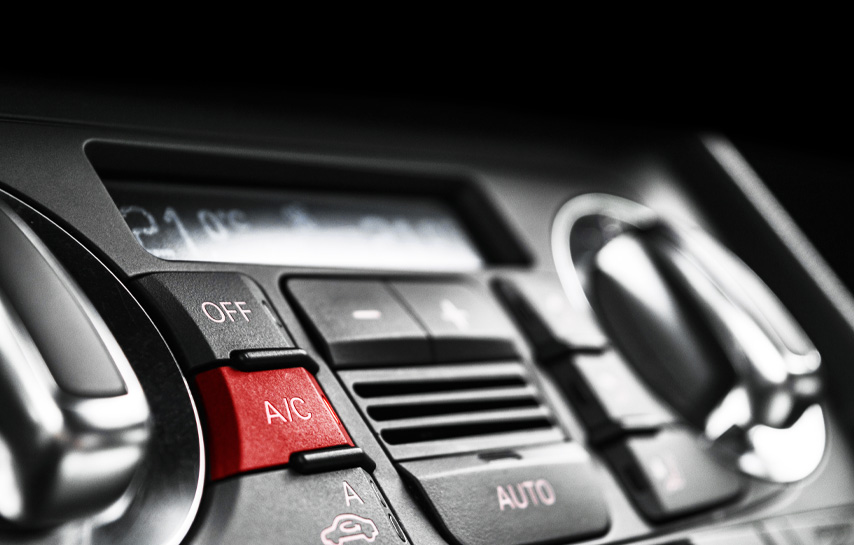
Car designs drastically changed over the course of the 20th century. While early models featured entirely metal construction, automakers began to selectively incorporate plastic components in the 1940s. Initially, the polymer-based material diversified the aesthetic options available but since the 1970s, advances in injection molding turned plastic into the preferred material for interior components.
Over the next 30 years, dashboards, bumpers, body panels and engine components shifted from steel to plastic. This change ushered in more affordable, lighter-weight cars offering more miles per gallon.
This versatile, automated process is compatible with a wide range of materials used in the automotive industry today, including ABS plastic, nylon, polycarbonate, polypropylene and thermoplastic polyurethane. As a result, both original equipment manufacturers (OEM) and aftermarket parts manufacturers leverage injection molding.
How Injection-Molded Plastics Benefit the Automotive Industry
Plastic has driven many recent automotive advancements, including:
- Lighter Vehicles: Exterior and interior plastic parts trim off ounces, producing a more fuel-efficient, easier-to-handle vehicle – especially important for emissions standards.
- A Better Experience: Swapping metal for plastic cuts down noise and vibrations, resulting in a quieter, more comfortable ride.
- Improved Performance: Plastic better resists moisture, offers superior fatigue strength, ensures visual clarity and holds its own against the elements.
- Fuel Efficiency: Plastic accounts for about half of the average vehicle’s volume by inches but only 10% of its weight. As such, vehicles get more miles per gallon and generate fewer greenhouse gas emissions.
- Improved Safety: In an accident, plastics absorb and deflect impact forces to better protect vehicle occupants. The plastic lining of the windshield creates a secondary barrier that prevents projectiles from shattering the glass.
- Uniformity and Consistency: Injection molding can produce a large number of parts with the same thickness, weight, durability and performance properties. This capability supports more consistent, cost-effective manufacturing and eliminates wait times for repairs.
- Aesthetic Possibilities: Manufacturers have more choices, thanks to the ability to print a pattern or add a finish onto a part.
Looking for a Trusted Manufacturing Partner?
Take your supply chain in a positive direction with APP! To further explore our capabilities for the automotive industry or discuss next steps, contact us today.